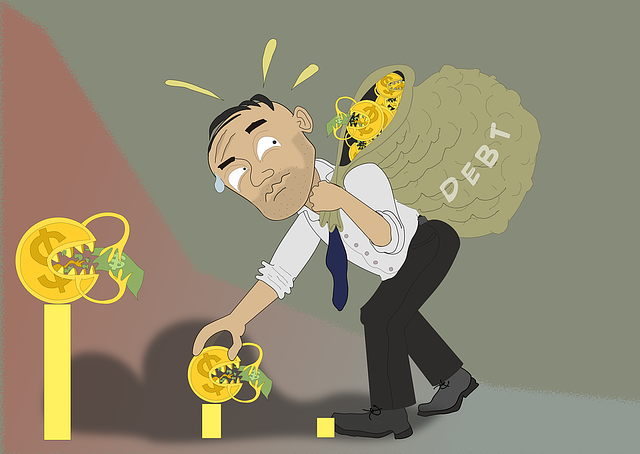
Higher interest rates significantly impact real estate by increasing borrowing costs, slowing transactions, and potentially causing price declines. Real estate professionals advise clients to review financial positions, consider refinancing, secure pre-approved mortgages, and diversify investments. Borrowers can refinance, while lenders should diversify portfolios and explore new revenue streams. Historical cycles show central bank policies affecting housing markets, with stability leading to robust growth post-recession. Experts caution that significant rate fluctuations may hinder sustainability, emphasizing the need for strategic adaptation.
In today’s economic landscape, higher interest rates are reshaping the financial horizon, particularly in the robust realm of real estate. While standard rates have long been a cornerstone for borrowers, these elevated figures present both challenges and opportunities. The rising cost of borrowing can significantly impact prospective homeowners and investors, adding complexity to their decisions. However, this shift also opens doors for strategic navigators. This article delves into the intricacies of higher interest rates, dissecting their implications on real estate markets and offering insightful guidance for stakeholders navigating this evolving environment. By the end, readers will grasp the dynamics at play and be empowered to make informed moves in a crucible that demands both acumen and adaptability.
Understanding the Impact on Real Estate Markets

Higher interest rates have a profound impact on real estate markets, which historically have been sensitive to changes in monetary policy. When interest rates rise above the standard, it creates a ripple effect that influences both buyers and sellers in the real estate naturally. One of the most direct consequences is the increase in borrowing costs for prospective homeowners. Higher rates mean larger monthly mortgage payments, making homeownership less accessible, especially for those with lower-to-middle incomes. This trend has already been observed in regions where central banks have implemented aggressive rate hikes, leading to a notable slowdown in housing transactions.
The real estate naturally response to this shift can be multifaceted. For starters, demand for properties may decrease as potential buyers face tighter financial constraints. This could result in longer days on the market and a potential price decline for sellers. Moreover, investment properties might become less attractive, as the return on investment is impacted by higher borrowing costs. However, it’s not all negative; sellers with substantial equity may choose to take advantage of the situation by downsizing or refinancing to secure better terms.
From an expert perspective, navigating these rates requires a strategic approach. Real estate naturally professionals should advise clients to review their financial positions thoroughly before making significant moves. Refinancing strategies could help lock in lower rates, while those looking to purchase might consider a pre-approved mortgage to secure favorable terms. Additionally, diversifying investments across different asset classes could mitigate risk, ensuring stability in an uncertain market.
Strategies for Borrowers and Lenders Alike

As interest rates rise above standard levels, both borrowers and lenders find themselves navigating a new financial landscape. This shift can significantly impact various sectors, particularly real estate, where borrowing costs are a critical factor in purchasing and investing decisions. For borrowers, higher rates mean increased monthly payments for mortgages and other loans, requiring careful budget management and potentially slowing down plans for major purchases or expansions. In the context of real estate, this could delay investment opportunities, affect buyer affordability, and impact the overall market dynamics.
Lenders, on the other hand, face a dual challenge. They must attract depositors in an environment where higher rates are offered elsewhere, while also managing the increased cost of funding loans. Competing for deposits and maintaining profitability will be key strategies for lenders in this climate. In real estate lending, this might translate into more stringent loan eligibility criteria to mitigate risk and ensure sustainable portfolio growth. Lenders may also explore innovative products, such as variable-rate mortgages, to offer competitive rates while managing their own exposure to rising interest costs.
To adapt successfully, borrowers should consider refinancing options if rates have dropped significantly since their initial loan. This can help secure lower borrowing costs over the long term. For lenders, diversifying loan portfolios and exploring non-traditional revenue streams could be essential. Real estate professionals might also benefit from strategic partnerships with financial institutions to create hybrid financing models that offer more flexible terms and competitive rates for borrowers while ensuring stable funding sources for lenders. Ultimately, both parties must remain agile and proactive in a shifting interest rate environment to protect their interests and support the stability of the real estate market.
Historical Perspective and Future Projections

Higher interest rates, when compared to standard rates, have historically had a profound impact on various economic sectors, with real estate being no exception. Over the past few decades, we’ve witnessed several cycles where interest rate hikes have significantly influenced housing markets. For instance, in the early 2000s, many central banks adopted aggressive monetary policies, leading to a surge in mortgage rates that ultimately contributed to the global financial crisis of 2008. This period highlights the delicate balance between economic growth and inflation control through interest rate manipulation.
From an historical perspective, real estate has often been seen as a safe haven during periods of rising interest rates. As traditional fixed-income investments become less attractive due to higher yields, investors tend to shift their focus towards property markets. This dynamic is particularly evident in regions with strong economic fundamentals and stable governance, where long-term investment prospects remain appealing. For example, post-recession recovery periods have often seen robust real estate growth as investors sought to capitalize on appreciating asset values. However, experts caution that such trends may not be sustainable if interest rates fluctuate significantly or economic downturns persist.
Looking ahead, future projections suggest a nuanced approach to understanding the impact of higher interest rates on real estate. While short-term increases may dampen initial demand and investment enthusiasm, long-term rate stability is often more favorable for sustained market growth. Real estate professionals are advised to monitor central bank policies closely and anticipate shifts in consumer behavior. Diversifying investment portfolios by considering both residential and commercial properties can also mitigate risks associated with interest rate volatility. By staying informed and adapting strategies accordingly, industry players can navigate these cycles effectively, ensuring resilience and profitability in the dynamic real estate landscape.