Higher interest rates significantly impact global real estate markets, cooling demand and affecting borrowers and lenders. Developers, investors, and agents must adapt: borrowers can refinance to fixed rates, while lenders offer tailored solutions. Central bank decisions influence market activity, pricing, and demographics over time, requiring careful consideration in long-term strategies.
In today’s economic landscape, higher interest rates are putting a strain on various sectors, particularly real estate. As standard rates rise, the financial feasibility of property investments becomes increasingly complex. This article delves into the challenges posed by elevated interest rates and explores innovative strategies to navigate this environment. We provide authoritative insights tailored for professionals in the real estate sector, offering practical solutions to mitigate risks and capitalize on opportunities that arise from these macroeconomic shifts. By the end, readers will be equipped with a comprehensive understanding of how to adapt their approaches in light of these changing dynamics.
Understanding the Impact on Real Estate Markets
Higher interest rates are poised to significantly impact real estate markets worldwide, with effects rippling through various sectors. As central banks raise rates to combat inflation, mortgage borrowing becomes more expensive for prospective homebuyers. This shift can lead to a cooling in housing demand, particularly in hot real estate markets where prices had been driven up by low-interest rates and speculative investment. For instance, countries like the United States have seen a notable slowdown in property sales since interest rate hikes began, with median home prices growing at a slower pace compared to previous years.
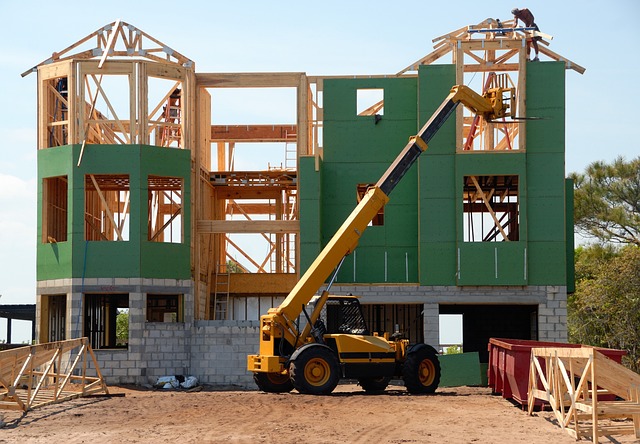
The impact extends beyond homebuyers; it affects developers and investors as well. Higher borrowing costs can delay or derail real estate projects that were initially viable under lower rates. This could result in a temporary reduction in new construction, potentially leading to a supply glut in some markets. However, developers with robust financial reserves and well-positioned properties may weather the storm. For example, in regions with strong economic fundamentals and a steady demand for rental properties, developers are opting for mixed-use projects that cater to both homeowners and renters, ensuring a more resilient investment strategy.
Real estate agents and brokers must adapt their strategies to this evolving landscape. Educational initiatives can help clients understand the implications of higher rates on their purchasing power. Offering expert guidance on financing options tailored to current market conditions can foster trust and position agents as valuable advisors. Moreover, focusing on niche markets that are less susceptible to interest rate fluctuations—such as luxury real estate or properties in areas with strong local economies—can provide opportunities for both buyers and sellers.
Strategies for Borrowers and Lenders Alike
As interest rates climb above standard levels, borrowers and lenders alike face a shifting landscape in the realm of finance. This trend, particularly pronounced in the current economic climate, has profound implications for various sectors, with real estate being a notable area of impact. For borrowers, higher interest rates mean increased borrowing costs, necessitating strategic adjustments to manage debt effectively. Homeowners with adjustable-rate mortgages (ARMs) are particularly vulnerable, as rising rates can significantly elevate monthly payments. According to recent data from the Federal Reserve, ARMs accounted for over 40% of all residential mortgages in 2021, highlighting the exposure of many borrowers.
Lenders, on the other hand, must navigate a delicate balance between attractive borrowing terms and maintaining profitability. In this environment, offering fixed-rate loans might become more appealing to risk-averse borrowers, while lenders could explore innovative products with built-in rate protection. For instance, some financial institutions are introducing loans with capped rates, ensuring that borrowers’ monthly payments remain stable even as market rates fluctuate. This strategy not only attracts customers but also provides a steady revenue stream for lenders. In the real estate sector, such measures can foster stability, encouraging long-term investment and potentially cooling down overheated markets.
To mitigate the effects of higher interest rates, borrowers should consider refinancing options strategically. Refinancing to a fixed-rate loan can offer immediate relief from rising costs, especially if rates have increased substantially since the initial mortgage. Lenders, too, can play a proactive role by offering tailored solutions, such as flexible amortization schedules or rate adjustment periods, allowing borrowers to manage their debt more effectively. Ultimately, staying informed and proactively engaging with financial institutions is key for both parties to navigate these shifting interest rate dynamics successfully.
Historical Perspective: Long-Term Effects on Economy
Central banks’ decisions to raise interest rates above standard levels have historically had profound long-term effects on economies worldwide. This strategy, often employed to combat inflation or stabilize financial markets, can significantly reshape economic landscapes, including the real estate sector. A closer look at historical data reveals that higher interest rates tend to cool down overheated property markets, leading to more sustainable pricing and access to affordable housing for buyers.
For instance, following the global financial crisis of 2008, many central banks implemented aggressive monetary tightening policies, resulting in substantial increases in interest rates. Consequently, real estate markets worldwide experienced a downturn, with prices correcting after years of rapid appreciation. While this period was challenging for investors and homeowners, it ultimately fostered a more stable housing environment. In the United States, for example, the Federal Reserve’s rate hikes led to a significant slowdown in home sales and construction, allowing market participants to reassess and prepare for future growth.
The long-term implications extend beyond initial market adjustments. Higher interest rates can influence population migration patterns, as they impact affordability. Over time, this may lead to more equitable distribution of residents across various regions, with urban centers potentially seeing a shift in demographics. As central banks navigate the delicate balance between inflation control and economic growth, policymakers must carefully consider the real estate sector’s unique position within the broader economy. Strategic interest rate adjustments can either stimulate or temper market activity, affecting long-term investment strategies and housing affordability.