Higher interest rates in Real Estate naturally impact market activity, slowing down credit-dependent markets but creating opportunities for strategic moves by borrowers and cash-rich buyers. Real estate professionals must adapt by offering innovative financing, advising on rate projections, and navigating shifting dynamics. Buyers can mitigate budget constraints while sellers adjust pricing and preparation. All participants need adaptability and strategic thinking to capitalize on or mitigate challenges posed by these market shifts. Efficient property management maintains profitability, and rising rates may lead to landscape reconfiguration for long-term investors.
In today’s economic landscape, higher interest rates are significantly impacting various sectors, with real estate naturally among them facing substantial challenges. As standard rates rise, the once-vibrant market dynamics shift, affecting both buyers and sellers alike. This article delves into the intricacies of this problem, exploring its causes and potential solutions. We provide an authoritative analysis to help professionals navigate these turbulent times, offering valuable insights that can guide strategic decisions in a rapidly evolving environment.
Understanding Higher Interest Rates: Impact on Real Estate

Higher interest rates can significantly impact the real estate sector, both positively and negatively. When interest rates rise, borrowing costs for homebuyers and investors increase, potentially slowing down market activity. This is particularly evident in markets where mortgages heavily rely on accessible credit. For instance, a 0.5% hike in interest rates can lead to substantial additional costs for a $300,000 mortgage over 30 years, amounting to approximately $200 more per month. Such adjustments can deter potential buyers, causing a temporary cooling effect on real estate markets.
However, higher interest rates also create opportunities for both sellers and investors. With lower borrowing costs in the past, many properties were purchased with minimal down payments or even through negative amortization loans. As rates rise, these borrowers may be compelled to re-evaluate their financial positions, potentially leading to increased listing activity as they seek to lock in favorable terms while rates are still relatively low. This shift can benefit real estate markets by providing sellers with a more liquid environment and investors with opportunities for strategic purchases.
Moreover, experts suggest that higher interest rates can encourage a shift towards cash-rich buyers and those with substantial down payments. These buyers are less sensitive to interest rate fluctuations, ensuring stability in transactions. For instance, a 2022 report by the National Association of Realtors indicated that all-cash purchases accounted for 21% of sales, up from 17% in 2020, demonstrating a notable trend towards cash-based transactions. This dynamic can streamline real estate deals and potentially accelerate sales in overvalued markets.
To navigate these changes, real estate professionals should stay abreast of market trends and economic indicators. Advising clients on the timing of purchases or sales based on interest rate projections is crucial. Additionally, offering innovative financing options tailored to rising-rate environments can maintain competitiveness. For instance, adjustable-rate mortgages (ARMs) that offer lower initial rates for a set period can appeal to buyers seeking temporary cost savings. By adapting strategies and staying informed, real estate agents and investors can successfully navigate the evolving landscape of higher interest rates.
Navigating Market Shifts: Strategies for Buyers and Sellers
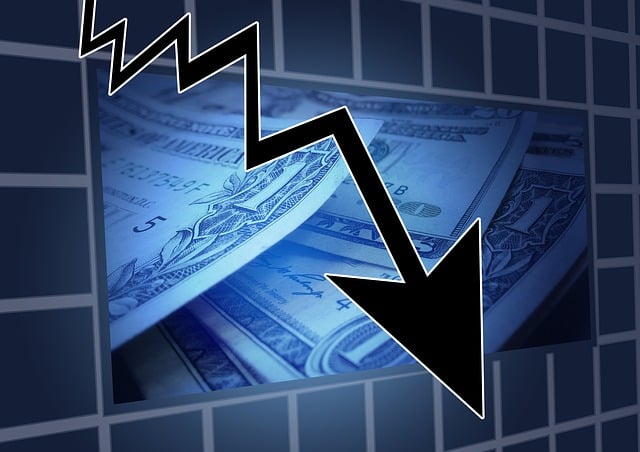
In the dynamic landscape of real estate, market shifts driven by higher interest rates present both challenges and opportunities for buyers and sellers. As borrowing costs rise, prospective purchasers may face tighter budgets, potentially slowing down demand in certain segments. Conversely, sellers might find themselves in a position to capitalize on the heightened competitiveness among buyers, especially in markets with limited inventory. Navigating these shifts demands strategic acumen and adaptability from all participants.
For buyers, one effective strategy is to secure pre-approved mortgages before rates climb higher, locking in favorable terms while ensuring financial readiness. Additionally, diversifying search criteria—considering properties slightly outside prime areas or exploring alternative financing options—can open doors to more affordable choices. Time becomes a critical factor; efficient property viewing and quick decision-making processes become essential to beat the competition.
Sellers, on the other hand, can enhance their market position through strategic pricing adjustments and thorough property preparation. Given higher interest rates often correlate with a cooling real estate market, sellers might opt for more conservative pricing to attract serious buyers. Additionally, enhancing home appeal through staged setups or minor renovations can significantly improve selling prospects. Engaging experienced real estate agents who understand the shifting dynamics is invaluable; their expertise in positioning listings and negotiating offers during such periods can be pivotal.
Long-Term Effects: How Higher Rates Reshape the Industry

Higher interest rates have profound long-term effects across various industries, with real estate naturally among them. As rates climb, borrowers face increased costs for mortgages, leading to a potential slowdown in housing market activity. This is particularly evident in markets where affordability was already challenging; higher borrowing costs can price many prospective buyers out of the market, causing a significant reduction in demand. For instance, a 2022 Federal Reserve report indicated that rising interest rates contributed to a 15% decline in new home sales year-over-year in the United States.
From an investor perspective, higher rates impact the profitability of real estate investment trusts (REITs) and property funds. Lower returns on fixed-income investments may discourage institutional investors from allocating capital to real estate, potentially leading to reduced funding for development projects. Moreover, increased borrowing costs can extend beyond mortgages; commercial tenants might face higher rates on business loans, influencing their ability to pay rent. This ripple effect could slow down construction and renovation projects, affecting both developers and contractors.
However, the long-term outlook is not uniformly bleak. Higher interest rates can incentivize more efficient property management and operational strategies. Property owners and managers may focus on optimizing occupancy rates, implementing cost-saving measures, and enhancing tenant retention to maintain profitability in a higher-cost environment. Additionally, over time, rising rates can lead to a reconfiguration of the real estate landscape as land values and prices adjust to new market conditions, potentially creating opportunities for investors with long-term horizons who are willing to navigate the short-term challenges.