
Higher interest rates cool the real estate market by increasing mortgage costs for buyers and investors, reducing property values. Developers benefit from lower demand, while savers contribute to lending capacity. To mitigate impacts, investors can refinance or explore long-term fixed-rate loans. Real Estate naturally softens in response, offering buyers negotiation room but requiring strategic adjustments: diversify portfolios, focus on quality, maintain long-term perspectives. Buyers strengthen financial positions and consider alternative financing; sellers enhance property presentation, offer incentives, and adjust listing prices. Well-priced homes in desirable locations remain competitive.
In today’s economic climate, higher interest rates are reshaping the financial landscape, particularly for sectors like real estate that have traditionally relied on accessible credit. The rise in standard rates presents a significant challenge, as it tightens lending conditions and potentially slows down market growth. This article delves into the intricacies of this issue, examining its impacts across various segments of the real estate industry. We will explore innovative strategies and solutions to navigate these new parameters, offering insights that can empower professionals to adapt, thrive, and ultimately provide sustained value in a shifting environment.
Understanding Higher Interest Rates: Factors and Impacts

Higher interest rates can significantly impact various sectors, including real estate. When central banks or financial institutions raise interest rates above the standard level, it triggers a cascade of effects across markets. One of the key factors influencing this phenomenon is monetary policy; when economic growth outpaces inflation, central banks may opt to increase interest rates to curb potential inflationary pressures. This move can have profound consequences for borrowers and lenders alike.
In real estate, higher interest rates can affect both purchasing power and investment strategies. For homebuyers, the increased cost of borrowing means larger monthly mortgage payments, making homeownership less accessible. This trend often leads to a cooling-off period in the housing market as demand may wane due to higher financing costs. Investors, particularly those focused on rental properties, face challenges in generating positive cash flow with higher interest rates. For instance, a 1% rise in interest rates can reduce property values by approximately 5%, according to some studies, impacting investment portfolios and lending capacity.
However, not all scenarios are negative. Real estate developers and builders may benefit from lower demand in the short term, allowing them to negotiate better terms with suppliers and reduce construction costs. Additionally, higher rates can encourage savers, leading to increased deposit accounts, which are a significant source of funding for real estate lending. Experts suggest that investors consider strategies like refinancing existing mortgages at lower rates or exploring long-term fixed-rate loans to mitigate the impact of rising interest expenses.
Real Estate Implications: Borrowing, Investing, and Market Trends

Higher interest rates have profound implications for the real estate sector, affecting both borrowing and investing dynamics. When interest rates climb above standard levels, it triggers a cascade of effects within the market. Borrowing costs increase significantly for homebuyers and investors alike, making mortgages and other financing options more expensive. This deters potential buyers, leading to a slowdown in property transactions. For instance, a recent study showed that a 1% rise in interest rates can result in a 7-8% decline in home sales across various markets.
The impact extends to real estate investment strategies. Higher borrowing costs reduce the returns on investment properties, making it less attractive for landlords and developers. This shift can drive market trends towards more conservative investing, favoring cash-flow positive properties over speculative ventures. Additionally, investors may look to refinance existing holdings to lock in lower rates, which could temporarily stabilize some markets but also lead to a decrease in new capital inflows.
Expert perspective suggests that real estate naturally adapts to these changes, with prices adjusting to reflect the new cost of capital. In the short term, this might mean softer pricing and more negotiation room for buyers. However, well-positioned properties, especially those offering essential amenities or located in desirable areas, can hold their value or even appreciate over time. To navigate these conditions effectively, investors are advised to diversify portfolios, focus on quality, and maintain a long-term perspective, ensuring decisions are based on fundamental market trends rather than short-lived rate fluctuations.
Strategies for Navigating High-Rate Landscape: Buyer and Seller Guides
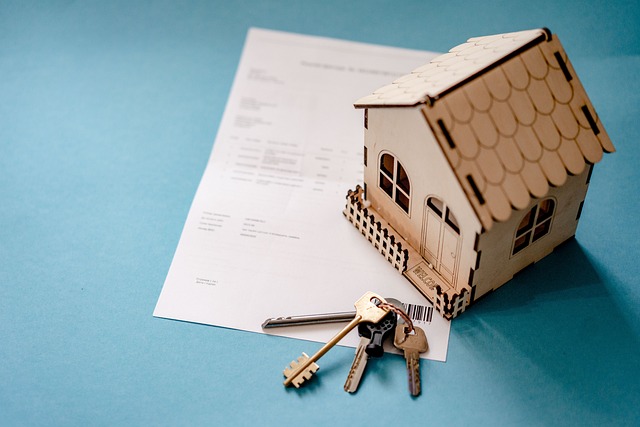
In the current economic climate characterized by higher interest rates than standard, navigating the real estate landscape presents unique challenges for both buyers and sellers. With mortgage costs on the rise, prospective homebuyers must secure financing that aligns with their budgets while sellers face the task of attracting buyers in a competitive market. This environment demands strategic adjustments from all stakeholders.
For buyers, one key strategy is to improve their financial standing. Building or maintaining strong credit scores can lead to more favorable loan terms and lower interest rates. Saving for a larger down payment also demonstrates financial readiness and reduces the burden of high-rate mortgages. Additionally, exploring alternative financing options like government-backed loans or adjustable-rate mortgages (ARMs) can provide temporary relief from fixed-rate increases. Buyers should thoroughly research and compare different loan programs to find the best fit within their financial means.
Sellers, on the other hand, must adapt their approach to make their properties more appealing in a high-rate market. One effective tactic is to focus on property presentation and curb appeal, as these factors can significantly influence buyer perception. Staging homes to showcase their best features and maintaining excellent upkeep can attract buyers who are prepared to invest despite higher rates. Furthermore, sellers should consider offering incentives such as assistance with closing costs or upgrades to prompt interest from prospective buyers. Keeping an eye on market trends and adjusting listing prices accordingly is also vital to ensure properties remain competitive.
Data from the National Association of Realtors (NAR) indicates that while sales have slowed down due to rising interest rates, well-priced homes in desirable locations continue to generate significant interest. For instance, a recent study showed that properties listed below market value received an average of 3.5 offers, compared to 2.1 offers for listings above the estimated fair price. This underscores the importance of realistic pricing strategies for both buyers and sellers navigating the high-rate landscape in real estate.