Higher interest rates significantly impact real estate by increasing borrowing costs for homebuyers, investors, and developers. Central banks raise rates to curb inflation, making properties less affordable. Developers may shift to adjustable mortgages or alternative financing, while investors can diversify portfolios and consider regions with stable economies. Homeowners with variable mortgages face higher payments, potentially reducing demand. Real estate adapts over time, with property values adjusting to new economic realities. Savers benefit from rising bond yields. Borrowers should assess financial positions and consider refinancing if rates drop. Investors should diversify and focus on high-quality properties with strong rental demand. Proactive strategies can mitigate risks and capitalize on opportunities in a high-interest rate environment.
In the intricate landscape of finance, particularly within the real estate sector, higher interest rates than standard have emerged as a complex challenge. As the cost of borrowing escalates, it necessitates a meticulous exploration to ensure stability and growth in an otherwise dynamic market. This article delves into the intricacies of this issue, dissecting its impacts on various facets of real estate, from investment strategies to consumer affordability. We offer insightful analyses and practical solutions, providing a comprehensive guide for navigating these volatile times, ultimately aiming to equip professionals with tools to thrive despite these challenges.
Understanding Higher Interest Rates: Factors and Impacts

Higher interest rates can significantly impact various sectors of the economy, including real estate. When central banks or financial institutions raise interest rates, it naturally affects borrowing costs for individuals and businesses alike. This shift has profound implications for homebuyers, investors, and developers in the real estate market. Understanding these factors is crucial to navigating this evolving landscape.
One primary factor influencing higher interest rates is inflation. As prices rise, central banks often employ monetary policy tools, such as increasing interest rates, to curb inflationary pressures. For real estate, this means higher borrowing costs for mortgages, which can deter potential buyers and impact the affordability of properties. For example, in recent years, many countries experienced a surge in property prices due to low-interest rates, but as interest rates rose, so did the cost of financing these purchases. Consequently, some buyers found themselves opting for more affordable rental options or revisiting their financial plans.
Furthermore, real estate developers and investors must adapt to higher interest rates by adjusting their strategies. Traditionally, fixed-rate mortgages have been popular among borrowers, offering stability in monthly payments. However, with rising interest rates, adjustable-rate mortgages (ARMs) may become more attractive as they can provide initial lower rates. Developers might also explore alternative financing methods or focus on projects with strong rental demand to ensure a steady cash flow. For investors, diversifying their portfolio and considering investment properties in regions with stable economies and low interest rates can help mitigate risks associated with changing monetary policies.
Real Estate Implications: Loans, Prices, and Market Trends
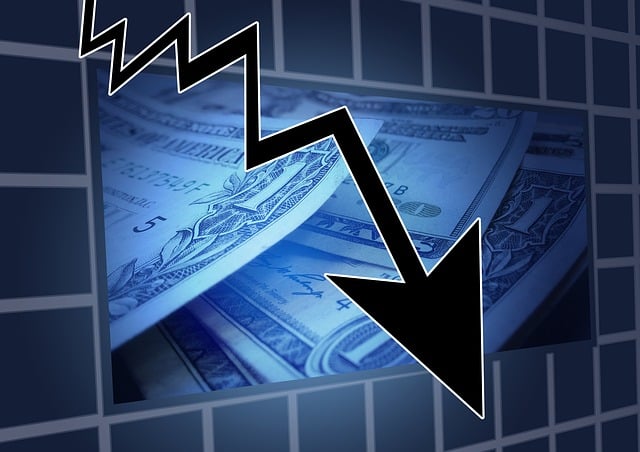
Higher interest rates have profound implications for the real estate sector, significantly impacting loans, property prices, and market trends. When interest rates rise, borrowing costs increase for both homeowners and investors, affecting the affordability of real estate. This shift can lead to a cooling in the housing market as potential buyers may find it less financially feasible to take out mortgages. For instance, in regions where property values had been steadily increasing due to low-interest rates, a rate hike can cause a pause or even a reversal in price appreciation.
The impact extends to existing homeowners with variable or adjustable-rate mortgages, who now face higher monthly payments. This can put a strain on household budgets and potentially drive down demand for properties in certain markets. Additionally, real estate investors must consider the effect on rental income and property values over time. With borrowing costs rising, investment strategies may need to be recalibrated, focusing more on value preservation than aggressive growth.
Expert perspectives suggest that real estate naturally adapts to changing interest rate environments. Historical data shows that while interest rates can cause short-term fluctuations, the market tends to stabilize and evolve over longer periods. Property values often adjust to new economic realities, with well-maintained properties holding their value or even appreciating in more stable markets. Actionable advice for both buyers and sellers is to stay informed about local market trends and be prepared for shifts in interest rates. This awareness can help navigate the real estate landscape with confidence during times of change.
Strategies for Borrowers and Investors in a High-Rate Environment

In a high-interest rate environment, borrowers and investors face both challenges and opportunities. With rates rising, financing costs for real estate projects can significantly increase, impacting developers and homeowners alike. For instance, a 0.5% rise in interest rates can add up to thousands of dollars annually on a typical mortgage. However, higher rates also create a more favorable environment for savers and investors. Bond yields, typically tied to interest rates, have been rising, offering attractive returns for those with capital to invest.
Borrowers should first assess their financial position and prioritize debt reduction strategies. Paying down high-interest consumer debts or credit cards can free up cash flow and mitigate the impact of higher mortgage rates. Refinancing options should be explored, taking advantage of lower rates if possible. For investors, diversifying portfolios is key. Real estate naturally offers a hedge against inflation, but in a high-rate scenario, it’s crucial to balance risk and return. Consider mixed-use developments or commercial properties, which can provide steady income streams despite higher financing costs.
Long-term investors should remain focused on the fundamentals of real estate as an asset class. Historically, real estate has proven resilient during economic downturns and periods of high interest rates. Investing in well-located, high-quality properties with strong rental demand can offer stability and growth. Staying informed about market trends and local dynamics is essential; for instance, data from the National Association of Realtors shows that certain markets have demonstrated resilience, with home prices appreciating even during economic fluctuations. Expert advice suggests that proactive strategies, such as locking in rates for new projects or refinancing existing loans, can help mitigate risks and capitalize on opportunities in this evolving interest rate landscape.