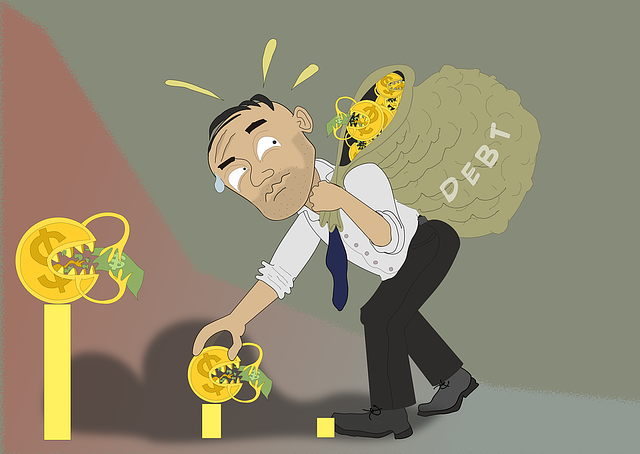
Higher central bank interest rates significantly impact the real estate market. Increased mortgage rates reduce buying power, affecting demand. Sellers may adjust strategies, leading to price shifts. Real estate professionals must adapt to these changes, focusing on responsible borrowing and efficient property management for sustained trends. Investors can diversify with income-generating assets. The market naturally adapts, balancing supply and buyer behavior, and promoting sustainable practices.
In today’s economic landscape, higher interest rates are significantly impacting various sectors, particularly real estate. While standard rates have traditionally been a cornerstone of the industry, soaring rates present both challenges and opportunities. This article delves into the intricacies of this phenomenon, dissecting its effects on property investments, mortgage affordability, and market trends. We explore innovative strategies that stakeholders can employ to navigate these volatile times, ensuring informed decisions in an ever-changing environment. By providing insightful analysis, we aim to empower readers with the knowledge necessary to thrive in this new reality.
Understanding Higher Interest Rates: Causes and Impact

Higher interest rates can significantly impact various sectors of an economy, with real estate being one of the most affected. These rates, set by central banks, influence borrowing costs for businesses and individuals alike. When interest rates surpass the standard or prime rate, it signals a shift in monetary policy aiming to control inflation or cool down an overheating market. Understanding the causes and consequences of such increases is crucial for both economic actors and consumers.
The primary drivers of higher interest rates include rising inflation, strong economic growth, and market speculation. Central banks raise rates as a countermeasure against inflationary pressures, making borrowing more expensive to reduce spending and investment. For instance, during periods of rapid price increases, especially in essential goods and services, central banks may intervene by increasing the cost of credit. In real estate, this can translate into higher mortgage rates, impacting affordability for potential homebuyers. Moreover, robust economic growth often leads to increased demand for loans, putting upward pressure on interest rates as lenders adjust their pricing to account for risk.
The impact of higher interest rates in the real estate sector is multifaceted. For homeowners, rising mortgage rates mean larger monthly payments, making homeownership less accessible. This can result in a decrease in housing demand, potentially leading to slower sales and price appreciation. On the other hand, investors might find opportunities in fixed-income investments, such as government bonds, which offer relatively higher returns due to the wider yield gap compared to real estate. In the broader market, higher rates can redirect capital flows, influencing investment strategies and asset prices. Real estate professionals should anticipate these shifts by staying informed about monetary policy decisions and adapting their approaches to meet evolving market conditions.
Real Estate Implications: Buyers, Sellers, and Markets

Higher interest rates have profound implications for the real estate market, affecting buyers, sellers, and overall market dynamics. When interest rates rise above standard levels, it can significantly alter the financial landscape for both individuals and industries. For instance, a 0.5% increase in mortgage rates can lead to a substantial decrease in purchasing power for potential homebuyers, making it more challenging to secure financing, especially for those with lower credit scores or higher debt-to-income ratios. This shift can cool down an overheated market, as fewer buyers enter the competition for properties.
From a seller’s perspective, elevated interest rates can impact their decision to list or time their sales strategies. Homeowners who are considering downsizing or moving up in their real estate journeys might delay their plans due to increased borrowing costs. This could lead to a temporary slowdown in market activity, with listings accumulating and sales volumes declining. However, for sellers who are well-positioned financially and understand the long-term implications of interest rates, it presents an opportunity to sell at potentially higher prices before rates rise further.
The real estate market naturally adapts to these changes, with price adjustments and shifts in buyer behavior. In regions where housing supply is limited or tight, sellers may be more willing to negotiate, sensing a potential buyer’s urgency due to rising financing costs. This dynamic could result in a more balanced market, reducing the power of buyers and potentially stabilizing prices. Experts suggest that while higher interest rates can create challenges, they also encourage responsible borrowing, saving, and investment strategies, which, in turn, can lead to more sustainable real estate trends over time.
Navigating Higher Rates: Strategies for Borrowers and Investors

Navigating higher interest rates presents significant challenges for borrowers and investors alike, with real estate markets feeling the ripple effects. As central banks globally raise rates to combat inflation, mortgage costs are rising, potentially impacting affordability. For borrowers, this means larger monthly payments and increased borrowing costs over the life of their loans. Additionally, high rates can discourage investment in property, as returns on investments may be lower.
However, opportunities exist for strategic maneuvering. Borrowers should explore fixed-rate mortgages to lock in lower rates for an extended period, providing stability amidst volatile market conditions. Refinancing options could also prove beneficial for those with variable-rate loans, allowing them to take advantage of the current favorable climate. Investors can consider diversifying their portfolios by allocating a portion to income-generating assets like real estate investment trusts (REITs), which offer regular dividends. This diversification helps spread risk and mitigates potential losses in traditional investments.
Moreover, high interest rates can stimulate a shift towards more efficient property management practices. Property owners might invest in energy-efficient upgrades, such as better insulation or smart thermostats, to reduce utility costs over time. These improvements not only lower operating expenses but also enhance the appeal of rental properties, potentially increasing occupancy rates. From a broader perspective, this trend may encourage a move towards more sustainable and cost-effective urban development models, shaping future real estate landscapes.